
01Dez
The Gut-Brain Axis: Unlocking the Powerful Connection Between Your Microbiome and Mental Wellness
A Silent Conversation
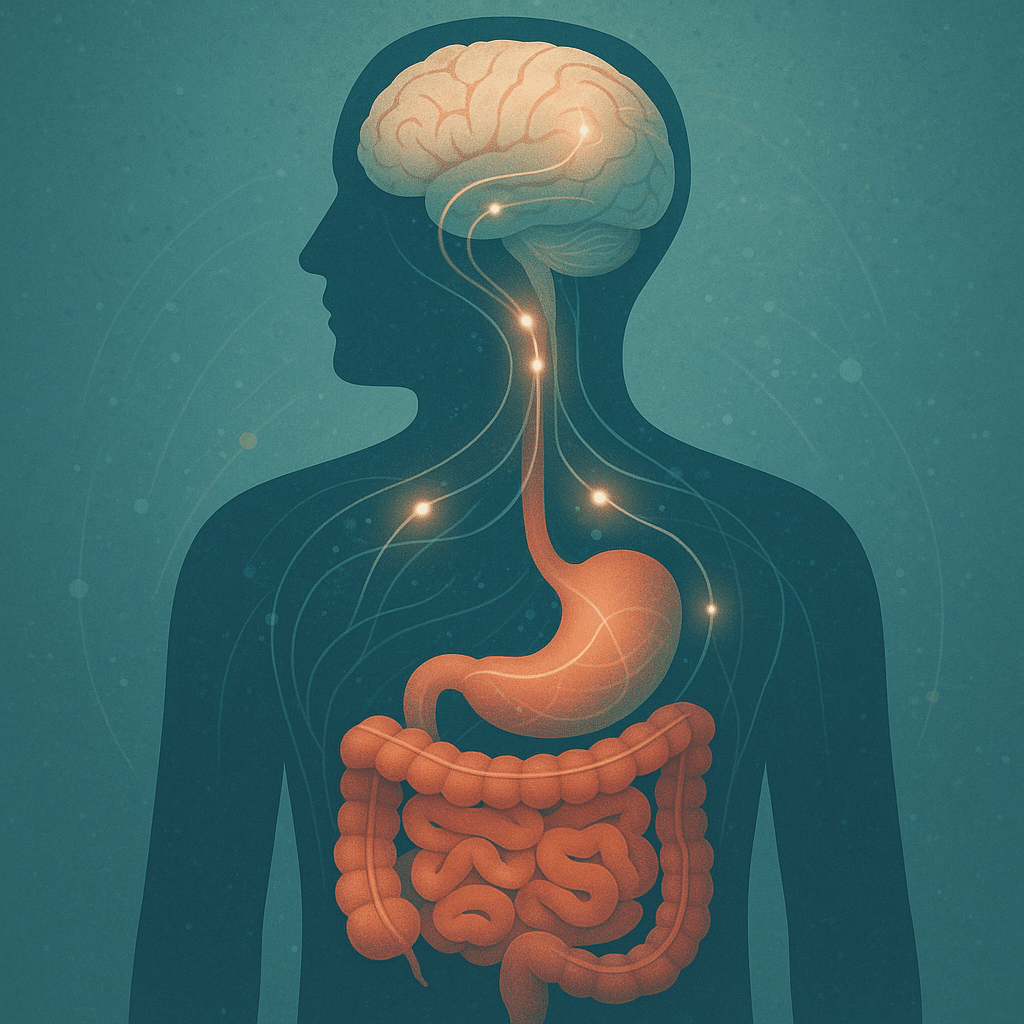
Imagine a secret, two-way highway running between your digestive system and your brain. This isn’t a concept from science fiction; it’s the Gut-Brain Axis (GBA), a complex, bidirectional communication network that is revolutionizing the fields of nutrition, medicine, and mental health. For years, the gut was viewed simply as a machine for digesting food. We are now discovering it is a "second brain," home to trillions of microorganisms—the gut microbiome—that don't just process your lunch, but actively influence your mood, your sleep quality, your stress response, and your overall immune health.
In the United States, where issues like chronic stress, anxiety, and depression are increasingly prevalent, understanding and nurturing this axis has become a major focus for those pursuing truly holistic wellness. This comprehensive guide will delve into the science of the GBA, explore the profound impact of your microbiome, and provide actionable, science-backed strategies to optimize this crucial connection for a healthier, happier life.
I. Understanding the Gut-Brain Axis (GBA) Communication
The GBA is not just a single nerve; it’s an intricate system of communication pathways that link the central nervous system (CNS), which includes your brain, with the enteric nervous system (ENS), which is embedded in the walls of your gastrointestinal tract.
A. The Vagus Nerve: The Superhighway
The primary and most direct line of communication is the Vagus Nerve (Latin for "wandering" nerve). This massive cranial nerve acts like a phone line, transmitting signals from the gut to the brain and vice-versa. About 80-90% of the signals traveling along the Vagus Nerve originate in the gut, meaning your stomach and intestines are constantly sending updates to your brain about what’s happening in your digestive environment. A healthy, balanced microbiome sends calming signals; an imbalanced one may send distress signals.
B. Chemical Messengers: Hormones and Neurotransmitters
The gut doesn't just communicate electrically; it uses a chemical vocabulary as well.
- Serotonin Production: Astonishingly, over 90% of the body's serotonin—the key neurotransmitter involved in regulating mood, sleep, and appetite—is produced in the gut. While this serotonin doesn't cross the blood-brain barrier directly, its presence in the gut is vital for digestive health and it signals through the GBA.
- Short-Chain Fatty Acids (SCFAs): When the beneficial bacteria in your gut ferment dietary fiber, they produce beneficial metabolites called Short-Chain Fatty Acids (SCFAs), primarily butyrate, propionate, and acetate. These SCFAs are critical for the health of the intestinal lining and can cross into the bloodstream to influence brain function, reduce systemic inflammation, and potentially modulate mood.
C. The Immune System: Inflammation's Role
The gut houses about 70% of the body's immune cells. A major part of the GBA communication involves the immune system. When the gut lining is compromised—a condition often referred to as "leaky gut" or increased intestinal permeability—pro-inflammatory molecules can be released into the bloodstream. This chronic low-grade inflammation is a key concern in modern wellness and is strongly linked to mental health disorders like anxiety and depression. The healthier your gut lining and flora, the less inflammatory signaling reaches the brain.
II. The Microbiome’s Influence on Mental Health and Mood
The trillion-strong community of bacteria, fungi, and viruses in your gut—the microbiome—is perhaps the most influential factor in the GBA equation. A diverse microbiome is a resilient one, capable of contributing positively to both physical and psychological health.
A. Anxiety and Stress Management
Research has shown a clear link between the composition of the gut microbiome and susceptibility to anxiety and stress. Studies on "psychobiotics"—probiotics that offer mental health benefits—suggest that certain strains can help modulate the body's release of stress hormones like cortisol. By dampening the stress response, a balanced gut can contribute to a sense of calm and emotional stability.
B. The Depression Connection
Depression is a complex, multifactorial disorder, but emerging evidence points to the GBA as a potential therapeutic target. The same bacteria that produce SCFAs and neurotransmitter precursors are often found to be less abundant in individuals with major depressive disorder. Improving microbial diversity through diet and targeted supplements is now being explored as a complementary strategy for mental wellness and treatment-resistant depression.
C. Cognitive Function and Brain Fog
The impact isn't just limited to mood; it extends to cognitive function. Inflammation and poor nutrient absorption linked to an unhealthy gut can manifest as "brain fog," difficulty concentrating, and fatigue. By restoring gut integrity and reducing inflammation, people often report a noticeable improvement in focus and mental clarity. https://www.apa.org/monitor/2012/09/gut-feeling
III. The Gut-Brain Axis and Sleep Quality
One of the most powerful yet often overlooked connections in the GBA is its influence on your ability to get restorative sleep.
A. Melatonin and Serotonin Production
As mentioned, the gut produces most of the body's serotonin. Serotonin is a precursor to melatonin, the hormone critical for regulating your circadian rhythm (sleep-wake cycle). A healthy gut ensures adequate building blocks are available for the body to produce both of these essential compounds, which are critical for falling asleep and maintaining deep, restful sleep.
B. SCFA and Sleep Structure
Emerging animal and human research suggests that the SCFAs produced by your gut bacteria may also play a direct role in regulating the depth and architecture of sleep. Butyrate, in particular, may have a calming effect that supports better sleep onset and duration. Chronic insomnia and disrupted sleep are increasingly being viewed as potential signs of GBA dysfunction.
IV. Actionable Strategies: Nurturing Your Gut-Brain Connection
Optimizing the GBA doesn't require drastic lifestyle changes, but rather a consistent focus on a nutrient-dense diet and mindful living.
A. The Power of Diet: Fueling Your Microbiome
The food you eat directly feeds your gut bacteria, shaping its composition within hours.
- Prioritize Prebiotics (Dietary Fiber): Prebiotics are non-digestible fibers that beneficial bacteria ferment to produce SCFAs. Excellent sources include:
Inulin: Onions, garlic, leeks, bananas.
Resistant Starch: Cooked and cooled potatoes, oats, green bananas.
Whole Grains and Legumes: Beans, lentils, whole-wheat products. https://www.ncbi.nlm.nih.gov/pmc/articles/PMC5760634/
2- Incorporate Fermented Foods (Natural Probiotics): These foods contain live, beneficial cultures that help populate your gut.
- Yogurt and Kefir: Look for "live and active cultures" and limit added sugar.
- Sauerkraut and Kimchi: Ensure they are traditionally fermented (not pasteurized).
- Kombucha: A lightly fizzy, fermented tea.
3- Embrace the Mediterranean Diet: This dietary pattern, rich in vegetables, fruits, omega-3 fatty acids (found in fish), nuts, and olive oil, is consistently linked to greater microbial diversity and reduced inflammation, making it an excellent choice for GBA health and heart health.
B. The Stress-Microbiome Vicious Cycle
Chronic stress is one of the quickest ways to disrupt your microbiome. Stress hormones like cortisol can negatively alter the composition of your gut bacteria and weaken the intestinal lining.
Mindfulness and Meditation: Integrating practices like mindfulness and deep-breathing exercises can stimulate the Vagus Nerve, effectively activating the "rest and digest" parasympathetic nervous system, which calms the gut.
Regular Exercise: Physical activity, especially moderate exercise, has been shown to increase microbial diversity, reduce stress, and improve overall digestive motility. Aim for at least 150 minutes of moderate-intensity exercise per week, as recommended for adult fitness.
C. Targeted Supplementation: When to Consider
While a healthy diet is the foundation, targeted supplements can be helpful, especially in the US where dietary habits are often lacking in fiber and fermented foods.
Probiotics: Consider a broad-spectrum probiotic supplement, but look for products with clinically researched strains (like Lactobacillus and Bifidobacterium) for specific benefits, such as immune or mood support.
Prebiotic Fiber Supplements: Supplements like inulin or psyllium husk can help ensure you meet your daily fiber targets (generally 25-38 grams).
Omega-3 Fatty Acids (Fish Oil): These essential fats are known for their powerful anti-inflammatory properties, which benefits both the brain and the gut lining.
V. The Future of Wellness: Precision Medicine and the GBA
The science of the GBA is evolving rapidly. Researchers are moving towards precision medicine, where stool samples will be analyzed to determine an individual's specific microbial composition, allowing for highly personalized dietary and supplement recommendations.
The growing recognition of the GBA means that health professionals—from psychologists and psychiatrists to dietitians and general practitioners—are starting to consider the gut as a vital partner in treatment plans for mental health, weight management, immune system optimization, and chronic fatigue.
Conclusion: Invest in Your Second Brain
The Gut-Brain Axis is arguably the most exciting frontier in modern health and wellness. It dismantles the old notion that the mind and body are separate entities, revealing them as two intertwined parts of a single, complex system. By prioritizing a high-fiber diet, managing your stress levels, ensuring adequate sleep, and making deliberate lifestyle choices, you are not just treating digestive issues—you are actively nourishing the foundation of your mental clarity, emotional resilience, and long-term vitality.
Take control of this silent conversation: listen to your gut, and your brain will thank you. Investing in your microbiome is the ultimate investment in your holistic health and future well-being.

